Outdoor Living
How Long After Rain Can You Stain a Deck?
Stain once the boards are dry through and the forecast covers your stain's rain-free window, often 24 hours. How to check the wood and plan the day.
As an Amazon Associate I earn from qualifying purchases.
Every guide on choosing, fitting and caring for wood at home, newest first.
30 guides
Stain once the boards are dry through and the forecast covers your stain's rain-free window, often 24 hours. How to check the wood and plan the day.
Find where the smell is coming from, wash with unscented soap, try lemon and salt for onion or garlic, and know when a smelly board should be replaced.
Why cutting boards warp, how to check whether yours is really rocking, the maker-approved way to flatten some boards, and when to replace it instead.
Peeling or soft window trim is usually a water problem. Which part is damaged, how to find the leak, lead-paint precautions, and when filler is not enough.
Blot it fast, clean with a product made for your floor's finish, and skip steam and soaking. How to handle fresh accidents, old stains and lingering odor.
Fix the moisture first, protect yourself, clean hard finished surfaces with detergent and water, and know when to call a pro, per EPA and CDC.
Empty it, find which part smells, check for mold or water damage, clean what the finish allows, and air it out. Skip perfume sprays and ozone.
Stop recurring water at a butcher-block sink by finding the source: splashes, a faucet leak, a failed sink seal or an unsealed cutout.
Peeling deck stain usually means too much film, damp or dirty wood, or incompatible products. How to diagnose it, prep correctly and test before recoating.
Dry winter air shrinks wood floors. Why seasonal gaps are usually normal, the 30–50% humidity range the industry suggests, and when gaps need a pro.
Most sticking doors come from loose hinges, a misaligned latch, humid swelling or paint buildup. Find where it rubs and sand only as a last resort.
Squeaks usually come from parts rubbing below the boards, not the board you step on. How to map the noise, know your floor type, and choose the right fix.
A wall desk frees floor space, but measure it open with you in the chair. How much room it takes, mounting needs, and when folding makes sense.
Light scratch, gouge or worn finish? How to tell, when a color marker is enough, when you need filler or a finish repair, and how to test before you start.
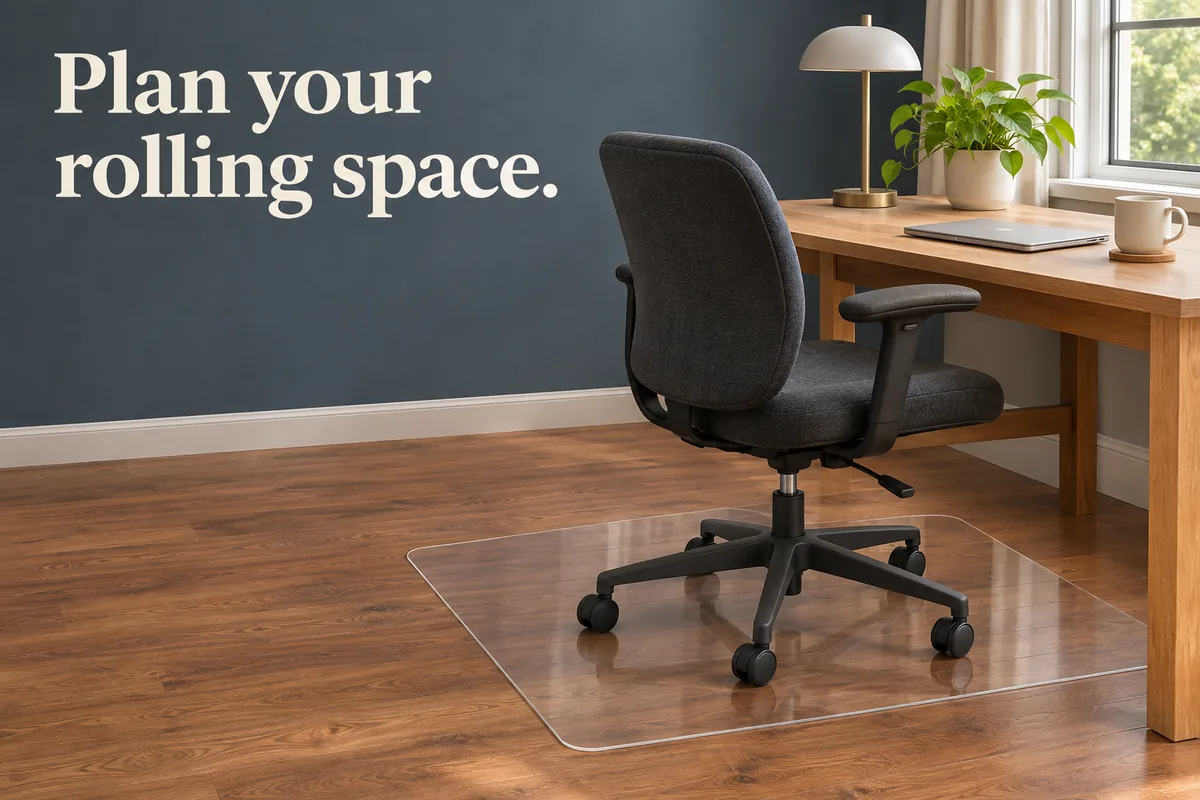
Use hard-floor casters or a smooth-backed mat sized to where the wheels actually roll, keep grit off both, and check the mat suits your floor's finish.
Measure your boots standing up, then compare them with the bench's clear interior height, depth and opening, not its pair count. Mock it up before you buy.
Keep the door swing and walkway clear, match seat height, size storage to your real shoes, and anchor drawer units. Test a cardboard outline first.
Oiled or sealed? Learn how to tell, how to clean each finish, when and how to re-oil, and how to protect sink edges and seams on a butcher-block counter.
No. Steam and wet mops can damage a wood floor's finish and boards. What to use instead, and what to do if you already used a steam mop.
Fit clean, well-sized felt pads on every chair foot, sweep grit before it grinds in, and replace pads when they wear. A simple routine for dining rooms.
Is the board bending or pulling off the wall? How to read load ratings, why wall type and stud fixing matter, and how to fix or prevent a sagging shelf.
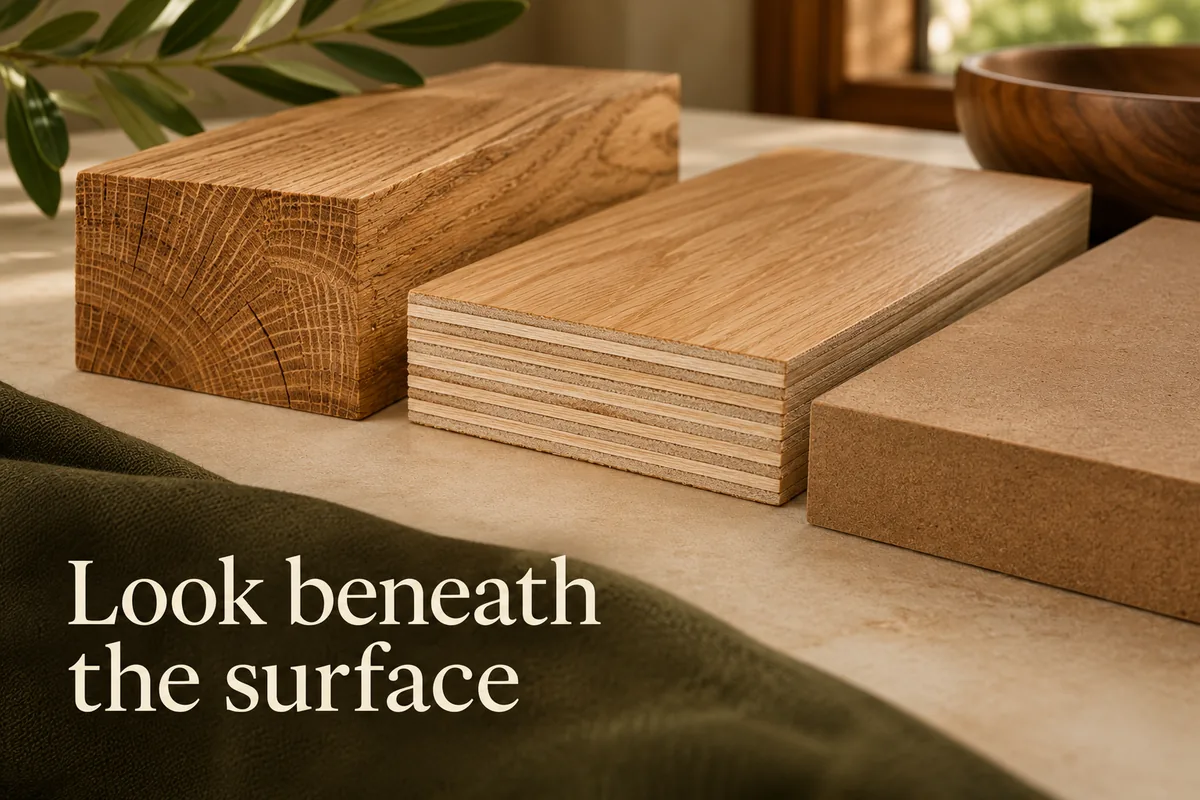
Read the material list part by part, check end grain and edges, and ask the seller the right questions. How to tell solid wood from veneer and MDF.
No. Acoustic slat panels can cut echo inside a room, but they don't block noise from next door. How to read NRC and STC claims before you buy.
Clean gently with mild soap and a soft brush, decide whether you want gray or golden teak, skip the pressure washer, and store furniture clean and dry.
Showing 1–24 of 30 articles